
Element 2 insolvency, through the eyes of its founder: a personal account of a planned IPO, corporate governance and shareholder value destruction.
This article recounts my experience as founder and former CEO of Element 2, the UK hydrogen infrastructure company. It was originally published on Substack in November 2026.
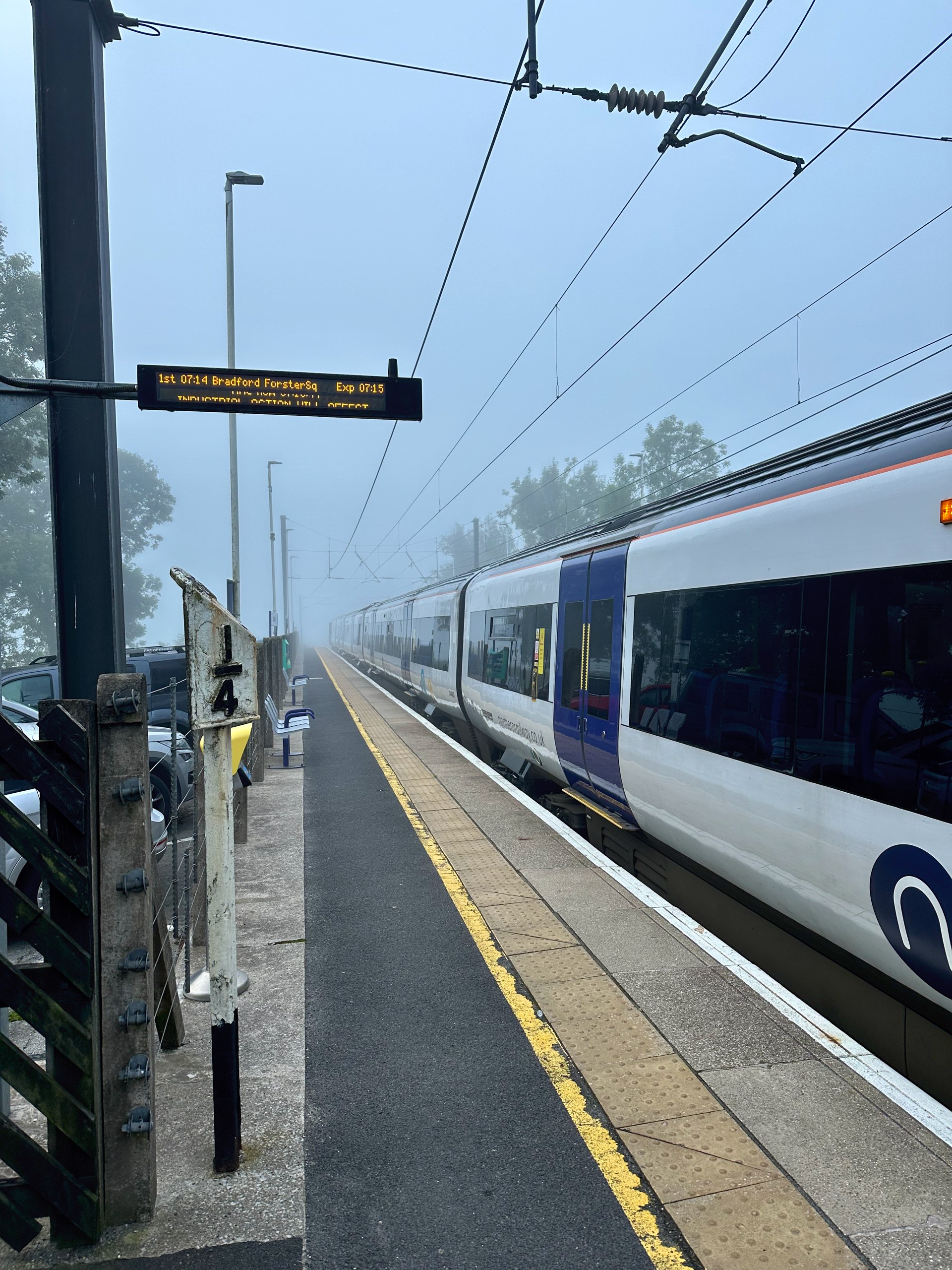
2nd May 2024. A misty morning in North Yorkshire. Just another train journey to London, or so I thought.
Element 2 insolvency: the founder’s account
The turning point was 2nd May 2024. The company I founded was halfway through navigating the rocky path to an IPO when we held a board meeting at the premises of our brokers and advisers. As CEO, my priority was to create an exit for our loyal and supportive group of investors, but some people had other ideas.
By spring 2024 the company was doing well. Revenues were doubling every year and the pipeline of orders was looking nicely engorged. We had two sets of lawyers and accountants working on an AIM fundraise which would provide the cash the company needed for expansion, as well as allowing investors to realise a healthy profit. So how the hell did it end up in insolvency barely two years later?
Up until May 2024 I’d been doing my job pretty well. I came up with the idea, persuaded a top-class team to jump on board and raised the first million at a £5m pre-money valuation on the strength of a team and a PowerPoint. By late 2023 the company was worth ten times as much and an IPO looked to be a sensible option for shareholders.
On 2nd May I walked the few minutes down to my local station on a rather miserable spring day and jumped on a train to Leeds. The 8:15 to London was the usual routine – newspaper, emails, a very good LNER first-class breakfast and confirming a few meetings for earlier in the day. Just another normal trip south.
Until 3:30pm, when it all began to fall apart.
At the board meeting we discussed the usual agenda – business development, cash flow, a too-good-to-be-true deal where someone was offering $10m at zero interest. Then we invited our brokers in to discuss the progress and pricing of the public offering.
We had a good idea of what we thought we were worth, but what mattered was what the buyers of the stock thought we were worth, and that depended on a lot of things. Performance of comparable companies in the sector, whether money was rotating into equities or bonds, and the general economic outlook. I could see the storm clouds in the distance. An election was looming later in the year and the Labour Party looked a dead cert to win it. There were rumblings of budget deficits and tax rises targeting capital gains and investment, so I was keen to keep things moving at a fast clip.
We discussed the work with the lawyers, accountants, auditors and all the pieces that need to be in place for an IPO, and then we turned to pricing.
The brokers had been testing the market for a few months, asking their contacts about the business and what they thought about its prospects. A general consensus was emerging at a price below what we’d imagined, but it was a price at which the brokers believed they could sell the stock.
There is always tension at this point. Brokers want an issue to be oversubscribed and price it to sell, while shareholders want to maximise their upside. When Phil Knight took Nike public he held out for $22 per share instead of $20, and got it.
At that moment up popped a couple of directors who demanded that the price be around double what the brokers recommended. Not 10% more, but 100% more. The look of incredulity on the brokers’ faces told me that it was going to be a struggle from here on in.
That price demand split the board between pragmatists like me and those who appeared to believe that their preferred valuation mattered more than what investors were actually prepared to pay. To me it was commercially irrational. The brokers couldn’t sell shares at a price the market wouldn’t support, however much the board might wish otherwise.
Although it was a pivotal day, I don’t think any of us realised quite how pivotal it would turn out to be. It was like the day when that first cancer cell develops and starts to grow. You might not notice for months, for years, but sooner or later there will be consequences, and they will have to be dealt with.
Throughout the summer of 2024 the cancer spread. I tried to keep it under control but it ate away at the fabric of the company. The power struggles and plots consumed more and more of the company’s resources, while starving the business of the management energy it needed to survive. The board and shareholders split into factions and in the end I stood down as CEO in the hope that the company would then recover.
But it didn’t.
The fantasists were still in charge and a succession of crazy schemes dreamed up by my successors came and went. The first was telling the shareholders that the company would become insolvent within weeks unless they put up some more cash. They didn’t, and it didn’t.
Next was a family office wanting to invest £20m at a high valuation. The money was allegedly coming from a variety of Asian sources. China, Vietnam and Indonesia were all mentioned at various points. From April 2025 to September 2026 the money was due ‘next week’. Representatives of the family office attended board meetings, signed contracts and said that the money was under their control, on its way, or in Dubai at various points.
You’ve got to be both very greedy and very stupid to swallow that for eighteen months.
Finally, some Saudi money was coming to the rescue, and still no due diligence.
And all this against a backdrop of increasingly angry shareholders and creditors demanding to know just what the hell the company was doing. They didn’t know because the company wouldn’t tell them anything and treated them with contempt. They didn’t even tell them about the insolvency.
My successor as CEO was initially elated to be elevated, but CEO is the job everyone wants until they get it. It didn’t take long for him to get disillusioned and he was sending out CVs to recruiters within the year.
And while there were some good, honest, hard-working people left on the board, the majority were still living in cloud cuckoo land and eroding value by the day until they ran out of road.
But while it is frustrating and irritating to see a bunch of buffoons wrest control of something that you created and nosedive it into the ground, there are valuable lessons to be learned.
One of the things I’ve learned over the years is to keep records. Emails, board minutes, WhatsApp messages, presentations and all the other detritus that accumulates in the process of running a company. So none of this is an attempt to reconstruct events from memory or to rewrite history. I have the correspondence, the promises, the warnings and the responses to those warnings. I can trace the destruction of the company almost week by week.
What still fascinates me is that intelligent, educated people, some with quite impressive business credentials, could collectively make such a spectacular mess of something that was working perfectly well.
And the more I think about it, the more I come back to that afternoon in May 2024. The company didn’t have a technology problem, it didn’t have a market problem and it didn’t have a customer problem.
It had a board problem.
Unfortunately for the shareholders, that was the one problem that nobody seemed capable of fixing.