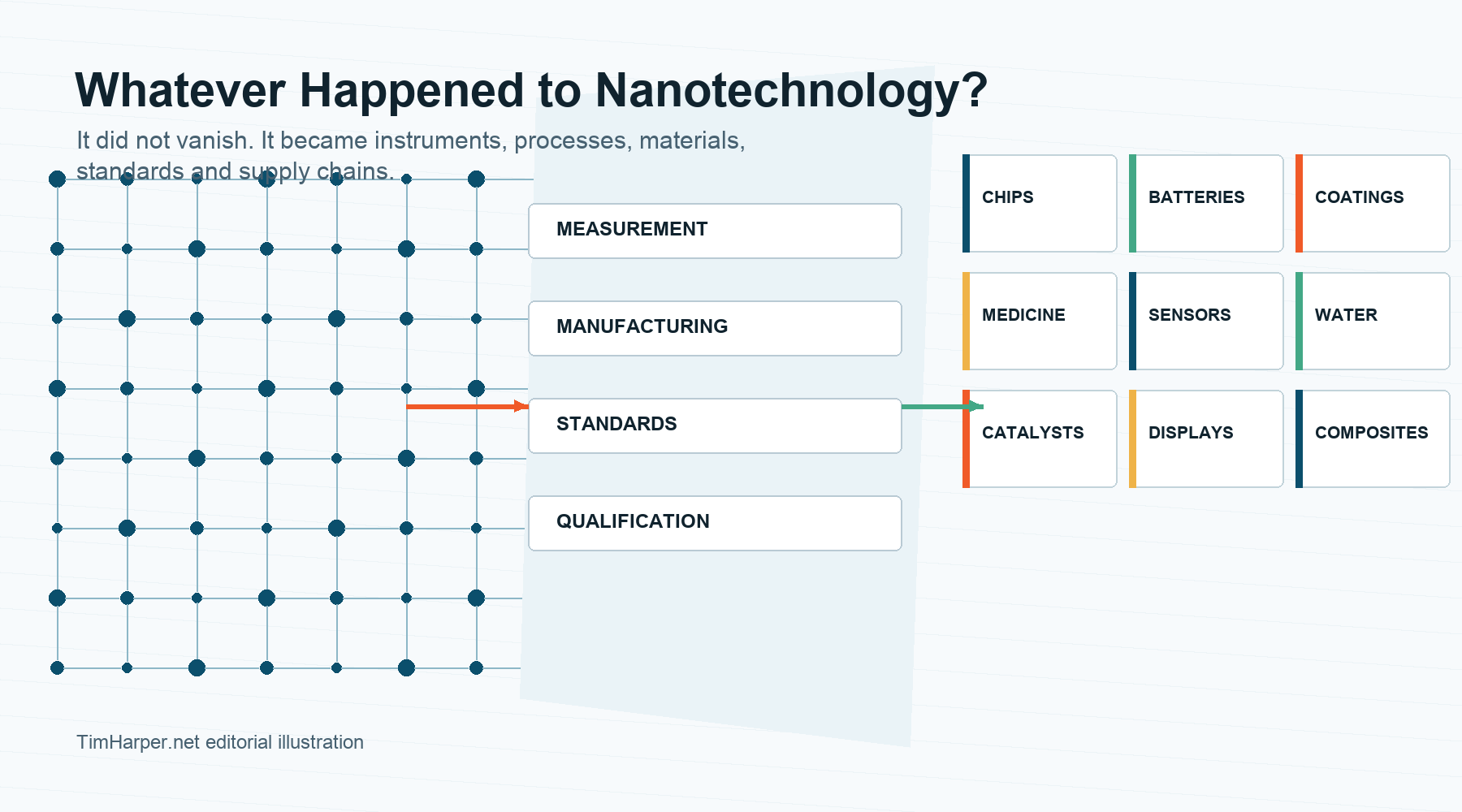
Whatever Happened to Nanotechnology?
Nanotechnology did not fail. Tim Harper’s archive shows how the boom became tools, materials, standards, manufacturing processes and supply chains, and what that teaches today’s deep-tech companies.
Nanotechnology did not fail. Tim Harper’s archive shows how the boom became tools, materials, standards, manufacturing processes and supply chains, and what that teaches today’s deep-tech companies.

UK hydrogen deployment needs production, customers and infrastructure to commit together. European policy and industrial projects show what Britain can learn.
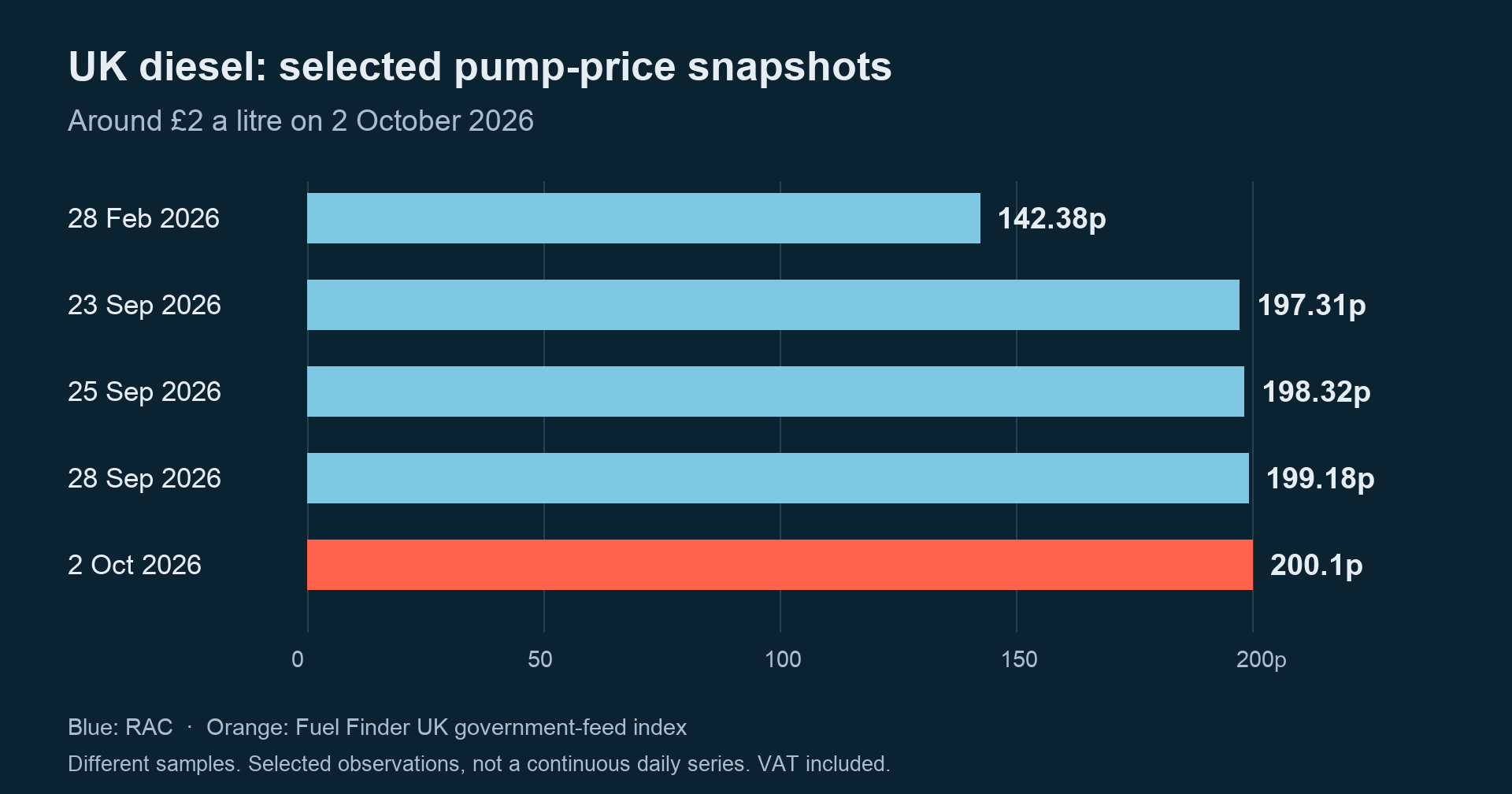
UK diesel prices around £2 a litre can add roughly £20,000 to an HGV’s annual fuel costs if the increase persists. With haulage margins around 2%, who absorbs the difference?
£2 diesel: who pays the extra £20,000 per truck? Read Post »
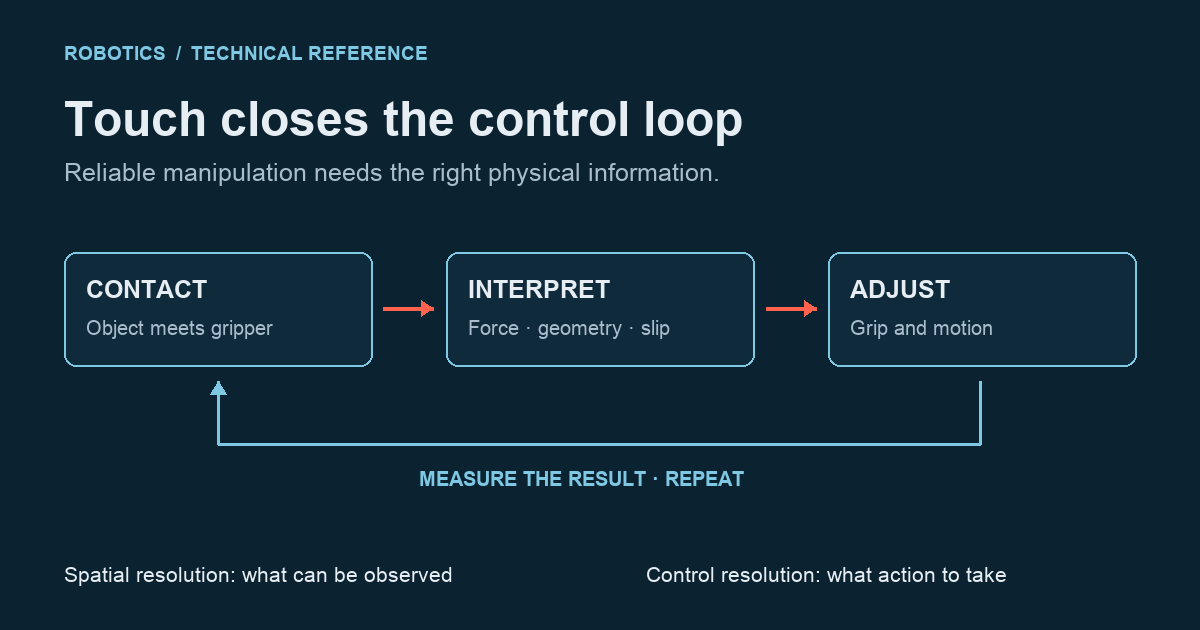
Tactile sensing for robotics measures physical contact so that a robot can adjust its actions. Robotic tactile sensors can measure
Tactile Sensing for Robotics: Technology, Economics and Market Guide Read Post »
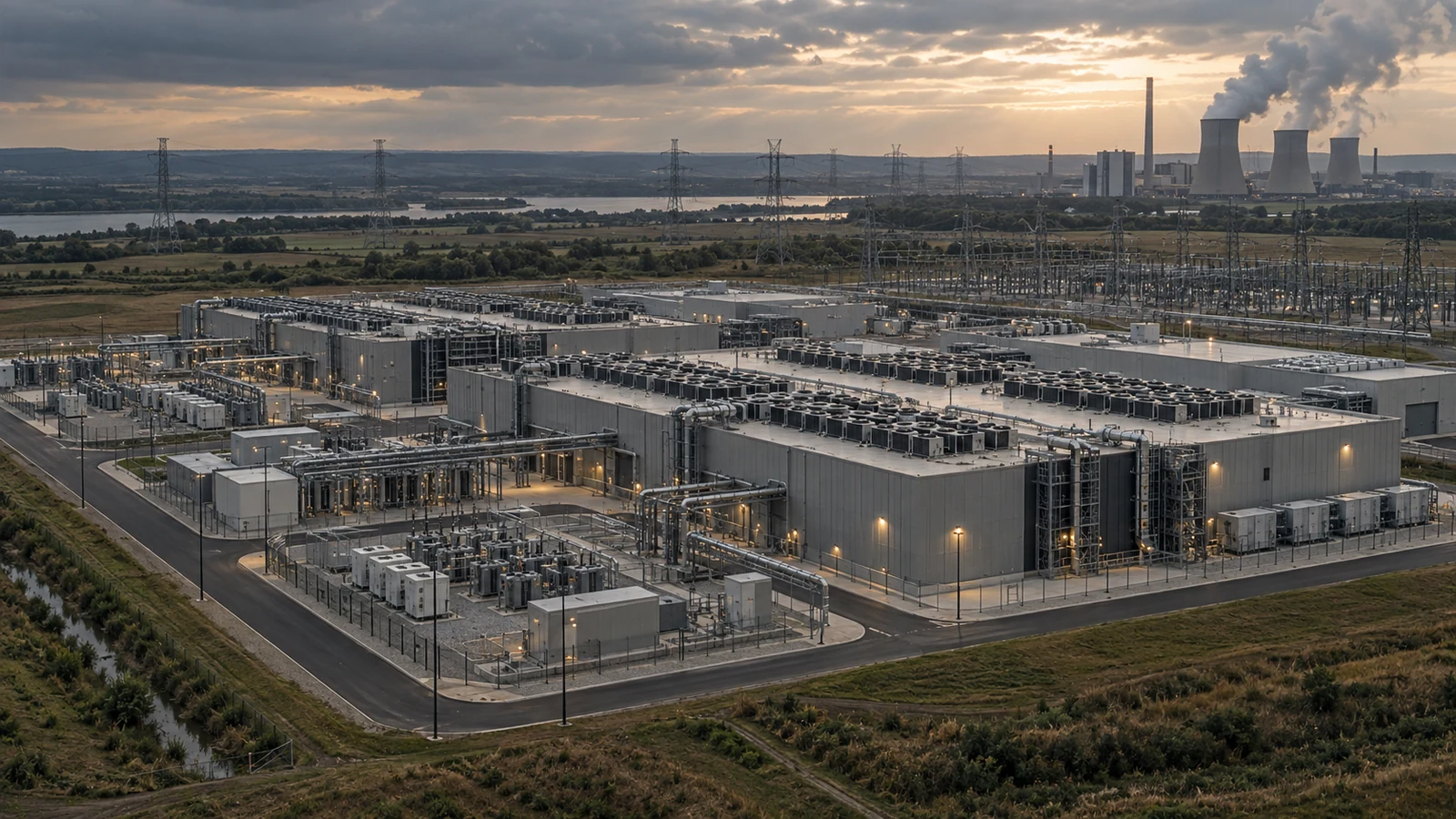
The AI investment boom is colliding with constraints in compute, electricity and the grid. The next phase could reward not just those who supply more resources, but technologies that need fewer of them.
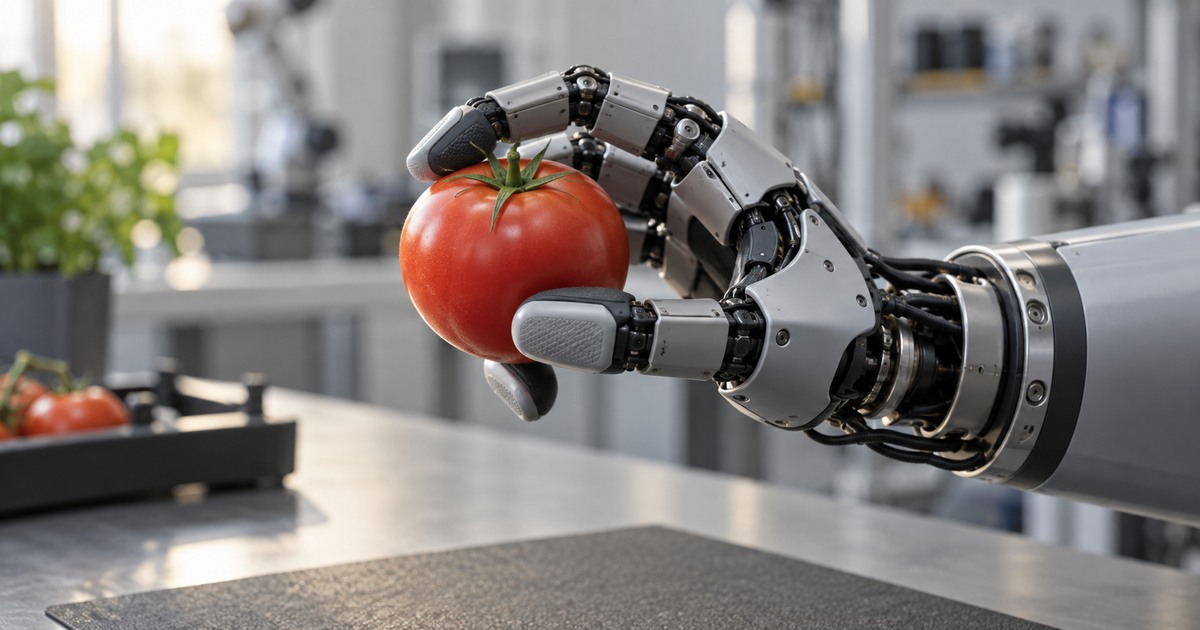
Nearly $4.9 billion of disclosed capital went into robotics companies in August. The headline number is impressive, but the distribution of that money tells a more interesting story about where investors think robotics is heading.
Robotics Is Attracting Billions. Look Where the Money Is Going. Read Post »
The AI boom has been built on abundant capital and ever more computation. A financial correction could make efficiency matter again.
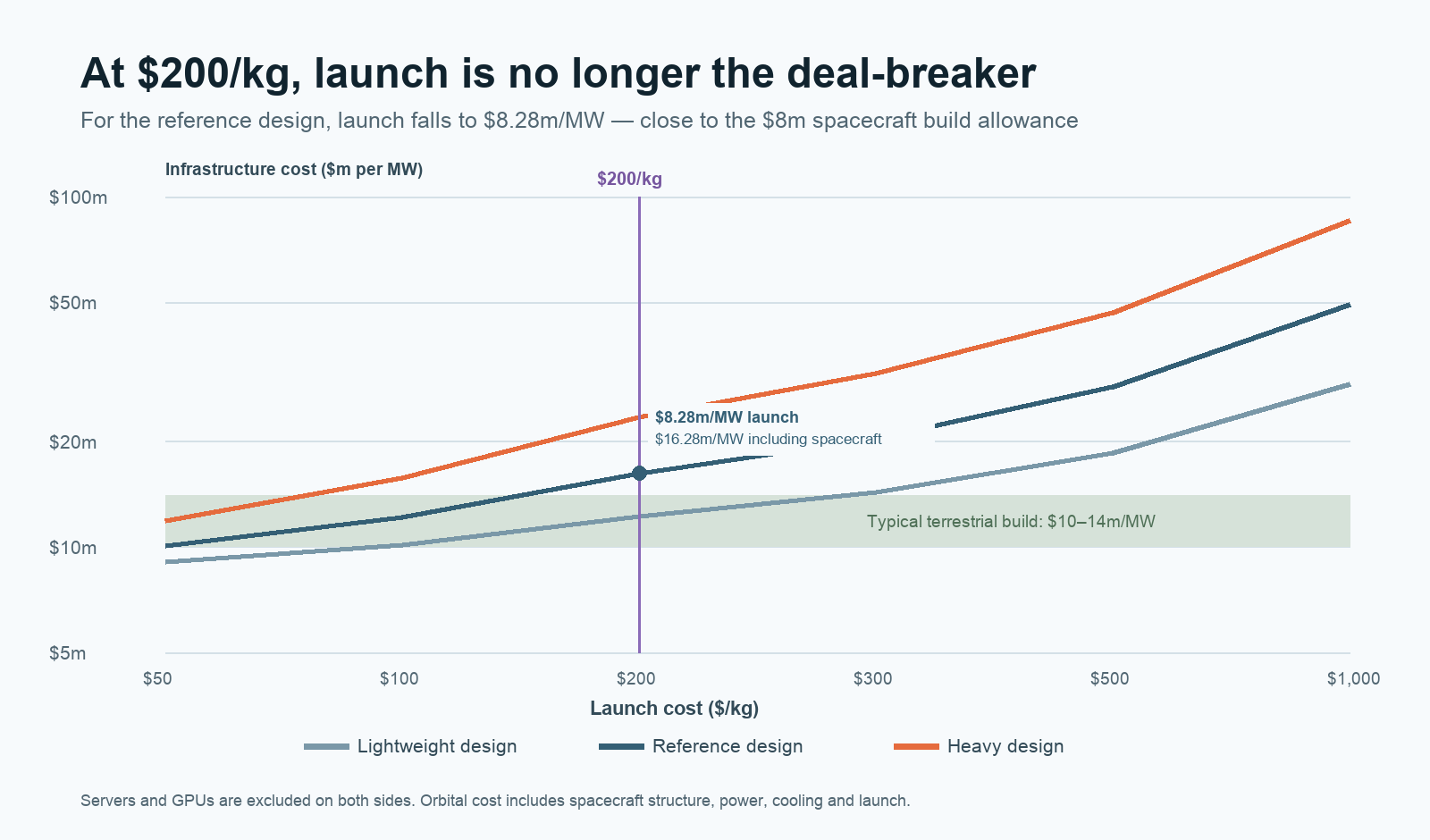
At $200 per kilogram, launch no longer kills the case for a lightweight orbital AI data centre on its own. Cooling, power, radiation, networking and replacement life then decide whether it can compete with Earth.
The $200/kg Threshold: When AI Data Centres in Space Start to Make Economic Sense Read Post »

XPeng’s Dogotix robotics subsidiary has signed $900m of subscriptions at a $6.3bn implied valuation—about 54% of XPeng’s pre-announcement market capitalisation. The transaction is a wager that automotive AI, engineering and manufacturing can be transferred into humanoid robots. The evidence is stronger in some layers than others.
XPeng’s $6.3bn Robot Bet: Why Dogotix Is Already Worth Half Its Parent Read Post »

Unitree’s extraordinary STAR Market debut confirms that humanoid robotics has become a serious industrial sector. This evidence-led analysis separates shipments from deployment and asks whether better AI, manipulation and tactile sensing can turn humanoid bodies into useful workers.
Humanoid Robots in 2026: Unitree’s IPO, China’s Lead and the Race to Make Robots Useful Read Post »

Britain’s wind-curtailment bill has passed £1 billion in 2026. NESO data shows that more wind, restricted network capacity and higher replacement-power prices are combining before the new grid is ready.
UK Wind Curtailment Costs Pass £1 Billion in 2026 — Why They Are Rising Faster Read Post »