
Bowie Bonds are one of the earliest examples of a creator using IP, finance, and timing to retain control while unlocking capital.
It is ten years since David Bowie died. The tributes usually focus on the music, the personas, the lightning bolt. All fair. But they still miss the part founders should actually be paying attention to.
Bowie wasn’t just a generational artist. He was an entrepreneur with a sharper grasp of reinvention, ownership, timing, and leverage than most people who describe themselves as CEOs.
And like most entrepreneurs, he didn’t get there cleanly.
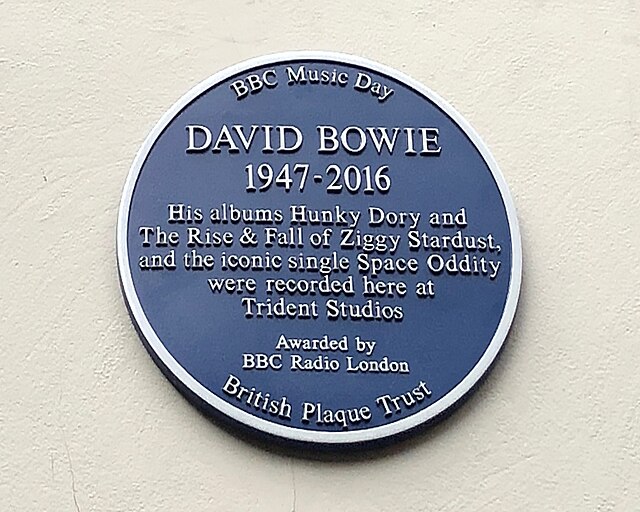
Reinvention wasn’t a costume change. It was strategy.
Bowie treated identity the way good founders treat product. Iterate hard. Kill what no longer works. Ship again.
Ziggy wasn’t preserved as a heritage asset. He moved on. The Berlin years weren’t a quirky detour; they were repositioning. Blackstar wasn’t a victory lap. It was a final release built deliberately, on his terms, for the moment it arrived in.
Most artists cling to their first hit. Most companies cling to their first growth curve. Bowie did neither.
He saw the internet coming while the industry argued about CDs
In the late 1990s, while record labels were still fighting over physical margins, Bowie was openly talking about the internet dismantling the music business. Not as a threat to be “managed”, but as a structural change that would not negotiate.
BowieNet wasn’t perfect, but it was early. And early is a competitive advantage if you have the stomach for it.
Bowie Bonds: IP, cashflow, and control
In 1997, Bowie securitised future royalty income to raise capital upfront without selling his catalogue outright. The Bowie Bonds weren’t financial theatre. They were a hard-headed capital decision: unlock value, shift risk, retain control.
That logic now underpins the entire catalogue-fund ecosystem. Rights aggregation. Predictable cashflows. IP treated as infrastructure. The Hipgnosis era didn’t invent the mindset. Bowie simply got there first.
For a straightforward financial summary of the original structure, see the Investopedia overview of Bowie Bonds.
Bowie Bonds and the modern creator economy
The reason Bowie Bonds still matter is that they prefigure how value is extracted in today’s creator economy. Predictable revenue streams are no longer treated as art; they are treated as infrastructure. Streaming royalties, publishing rights, software licences, even newsletters now get modelled, discounted, and financed.
What has changed is not the logic, but the tooling. Data is cleaner. Platforms are larger. Intermediaries are better capitalised. What has not changed is the core trade-off Bowie solved: how to access capital without surrendering ownership or creative control.
Founders who miss this tend to optimise for valuation headlines instead of cashflow resilience. Bowie did the opposite. He monetised what he had already built, reinvested on his own terms, and avoided becoming dependent on the next hit.
Yes, he got ripped off first. That’s the point.
The part people like to skip: early in his career, Bowie was effectively stripped of value by Tony Defries and MainMan. Opaque structures. Aggressive fees. Limited transparency. Bowie was globally famous and, for a period, cash-poor.
Every founder recognises this pattern. The creator takes the risk. Someone else controls the contracts. Value leaks out through complexity and “management”.
What separates Bowie from the long list of casualties is that he learned. He became forensic about rights, cashflow, and leverage. The later sophistication does not exist without the earlier mistake.
Why this matters to founders
I argue in Born to Disrupt that startups behave more like bands than corporations. Bowie is the clearest real-world example of that operating model: change the lineup, kill yesterday’s sound, protect the IP, ship anyway, and refuse to become your own tribute act.
If you want the longer version of that argument—why entrepreneurship has more in common with bands than business schools like to admit—start here:
Born to Disrupt: Entrepreneurship, Rock and Roll, and Surviving the Shitshow
Keywords: Bowie Bonds, David Bowie entrepreneur, creator economy IP, music catalogue investment, IP ownership founders