If you’ve arrived here, you’re probably looking for older Cientifica-era nanotechnology or graphene content.
Between 2002 and 2019, I led one of the first global efforts to make sense of nanotechnology as a commercial and policy reality — not just a scientific field. Much of that material was widely cited, distributed across third-party platforms, and linked from domains that no longer exist.
Rather than recreate hundreds of individual legacy pages, this archive brings that body of work together in one place.
This archive reflects earlier work in nanotechnology and advanced materials. Much of that work now sits within the broader context of energy transition, hydrogen systems and infrastructure constraints.
→ Battery energy density and material limits
→ Transport system trade-offs
What you’ll find below are original reports, interviews and papers covering early graphene markets, nanomaterials, funding dynamics and the realities of turning science into business.
Tim Harper Nanotechnology Archive (2002 – 2019)
Why this still matters
The underlying problem hasn’t changed. The technologies have.
Today the same commercialisation challenges are playing out in hydrogen, energy infrastructure and advanced materials — where capital, timing and execution determine outcomes.
Why this archive is still relevant
Most deep-tech sectors follow the same pattern: early hype, fragmented investment, unclear markets, then gradual convergence around real applications.
Nanotechnology went through that cycle first. The lessons here map directly onto today’s hydrogen, advanced materials and energy systems markets.
This is not just historical content. It is a reference point for how these transitions actually unfold.
From nanotechnology to deep tech commercialisation
Much of the early nanotechnology cycle followed a familiar pattern: scientific promise, investor excitement, difficult scale-up, and a long gap between laboratory performance and commercial adoption. The same pattern now appears across advanced materials, hydrogen, batteries, infrastructure and industrial decarbonisation.
Core argument: Deep tech commercialisation usually fails where scale-up, customers, manufacturing, finance and timing are misunderstood.
The nanotechnology cycle remains a useful market-creation pathway for today’s emerging technologies. In the Seven Barriers framework, market adoption proved harder than technical discovery because customers bought application outcomes, not nanoscale properties. Companies that translated performance into manufacturable products and clear economic value survived the hype cycle; many others remained dependent on research funding or speculative markets. That history provides a practical commercialisation reference for advanced materials, hydrogen and robotics as they move through similar transitions.
Reports, Papers and Interviews
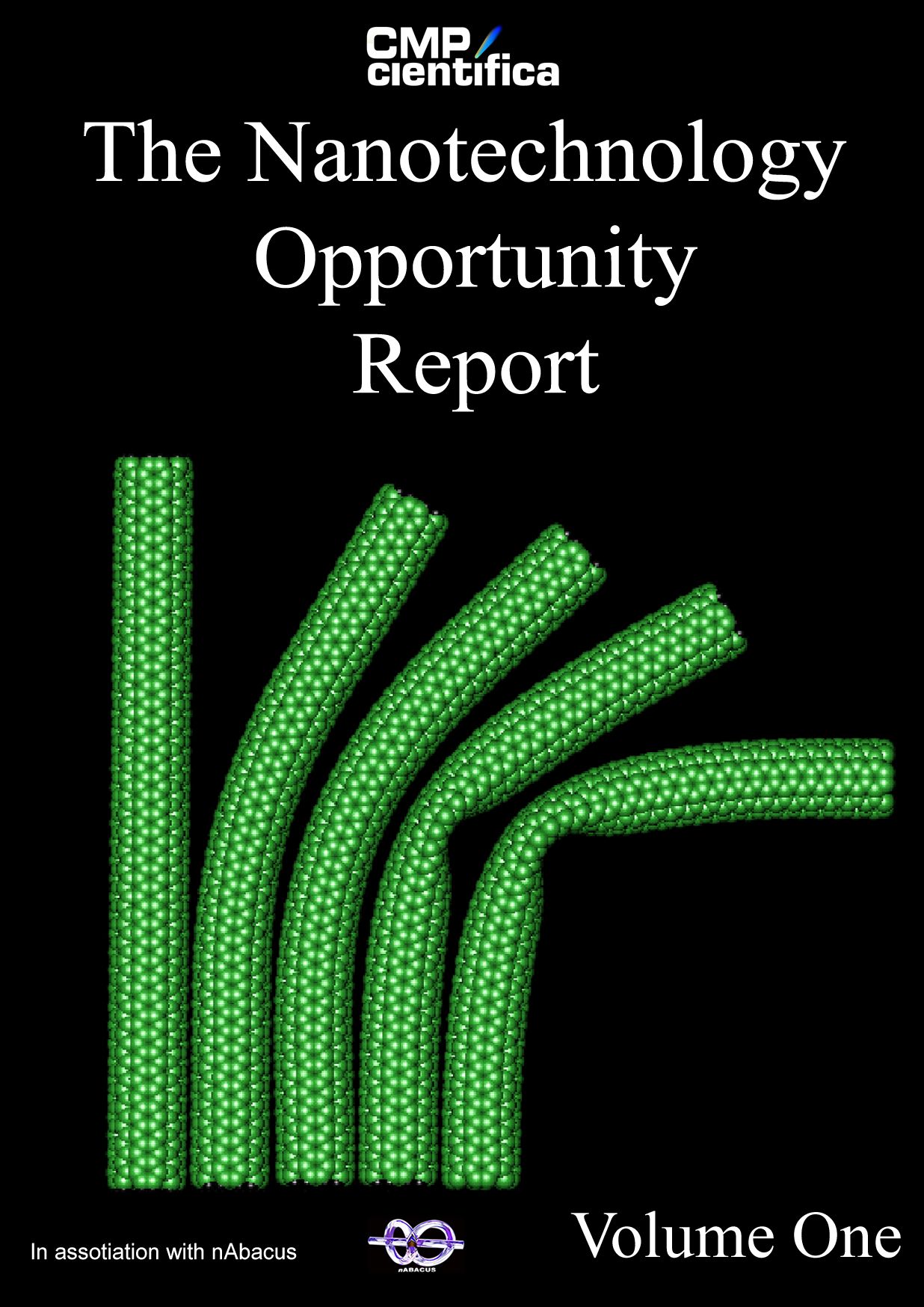
The Nanotechnology Opportunity Report (2002)
This early landscape study mapped global markets and investment dynamics and was described by NASA as one of the defining reports in the field.
NanoWater Initiative (2004)
Application of nanotechnology to water scarcity following discussions in Israel. Early example of science applied to infrastructure-scale problems.
Global Funding Overview (2005)
Comparative study of public and private R&D investment in nanotechnology.
The Nanotech Economy (2005)
How governments align emerging technology investment with industrial strategy.
Finding Markets (2008)
Frameworks for turning emerging science into revenue.
Nanotechnology in the Financial Crisis (2009)
Impact of the 2008 crisis on innovation and funding strategies.
Cellular & Subcellular Nanotechnology (2013)
Applications in healthcare, biosensing and nanomedicine.
Seven Rules for Nanotech Innovation (2019)
Lessons from two decades of commercialisation.
From Idea to Application (2012)
Bridging research and real-world deployment.
World Economic Forum
Contributions on innovation, capital and policy.
Sintetia Interview
On science funding and innovation economics.
If you are working on a similar problem today
scaling complex technology, aligning stakeholders, or turning capability into revenue — this is the space I work in now.