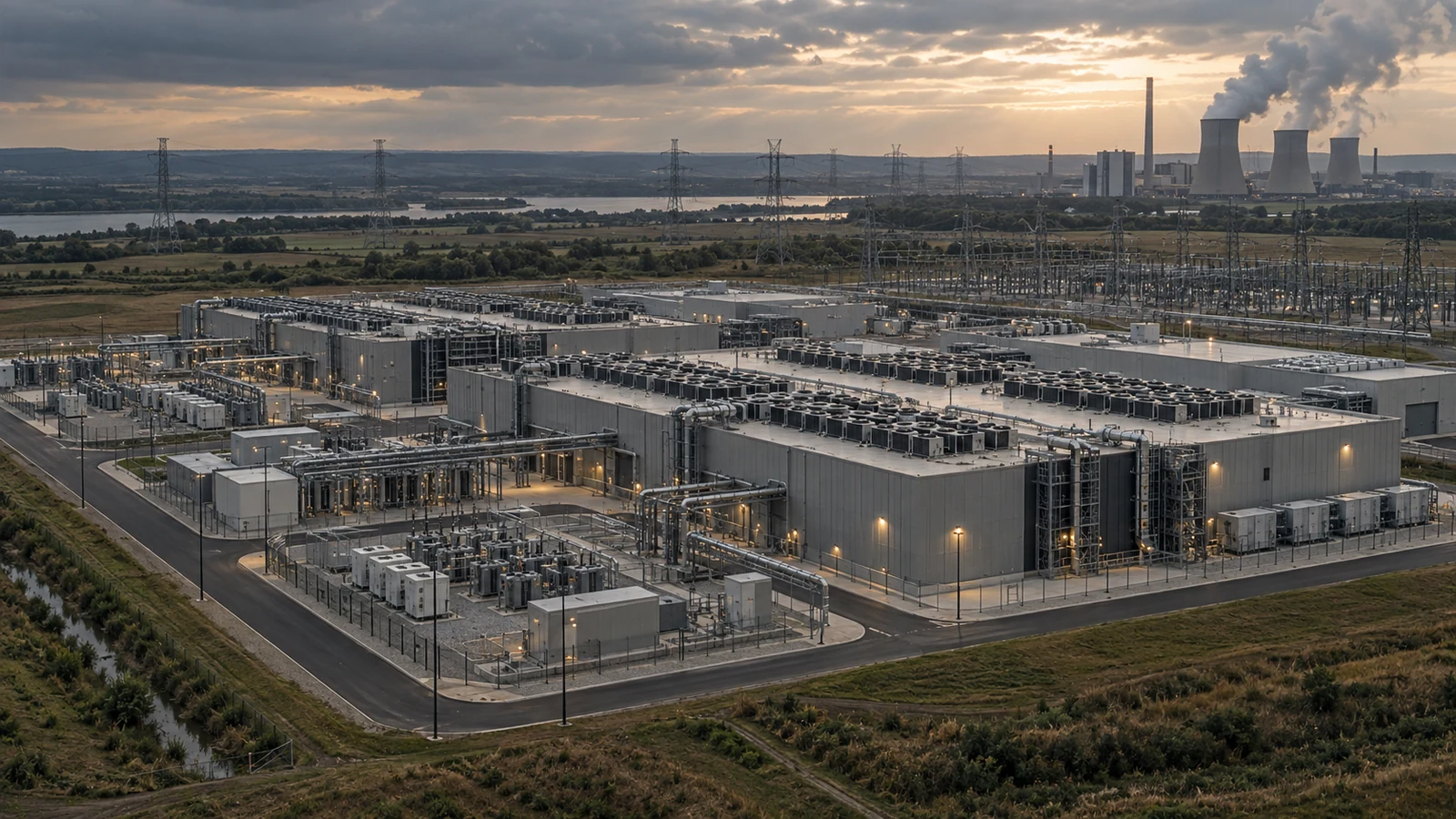
AI Is Running Into the Physical Economy
The AI investment boom is colliding with constraints in compute, electricity and the grid. The next phase could reward not just those who supply more resources, but technologies that need fewer of them.
The AI investment boom is colliding with constraints in compute, electricity and the grid. The next phase could reward not just those who supply more resources, but technologies that need fewer of them.
The AI boom has been built on abundant capital and ever more computation. A financial correction could make efficiency matter again.
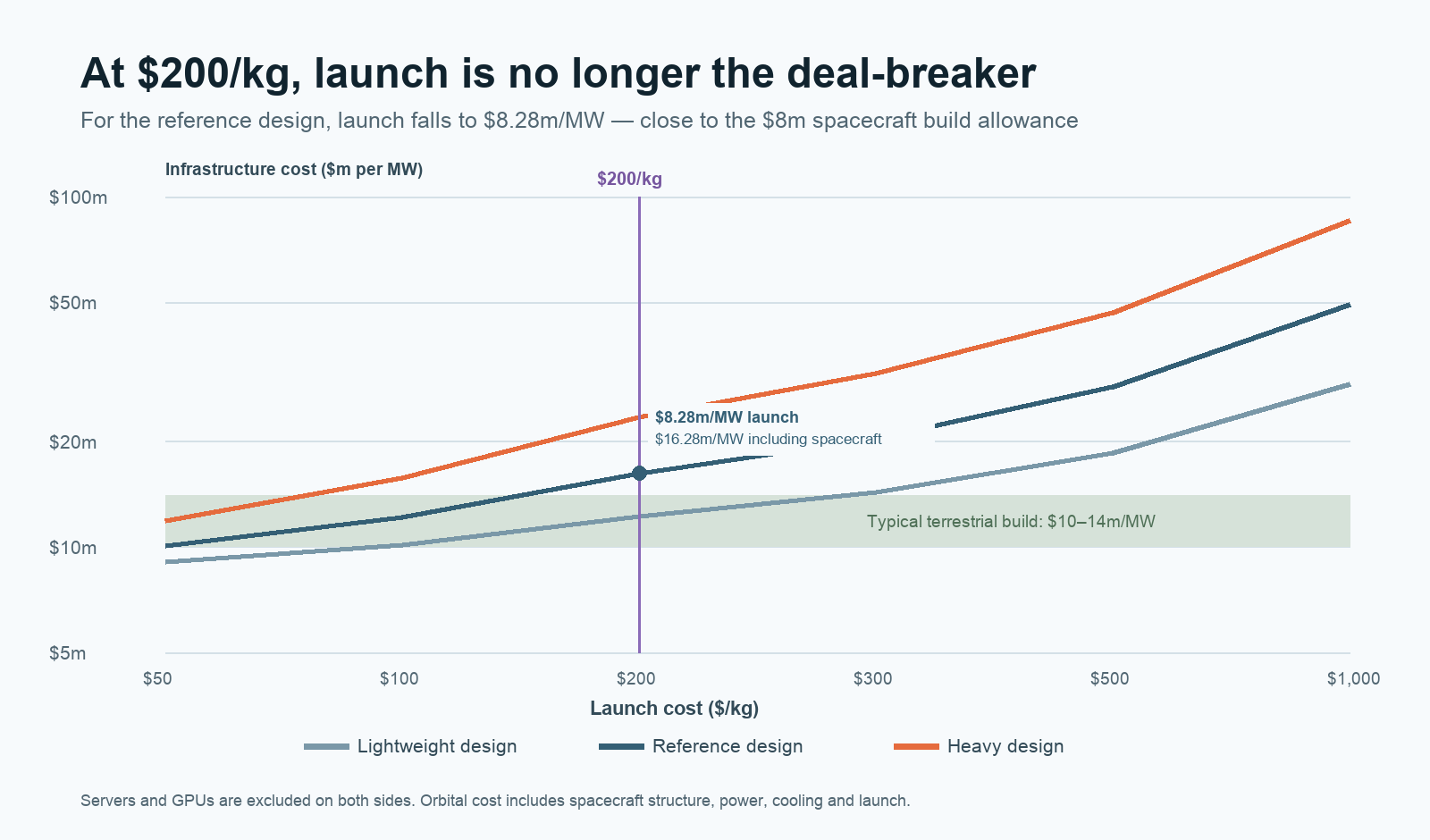
At $200 per kilogram, launch no longer kills the case for a lightweight orbital AI data centre on its own. Cooling, power, radiation, networking and replacement life then decide whether it can compete with Earth.
The $200/kg Threshold: When AI Data Centres in Space Start to Make Economic Sense Read Post »

Unitree’s extraordinary STAR Market debut confirms that humanoid robotics has become a serious industrial sector. This evidence-led analysis separates shipments from deployment and asks whether better AI, manipulation and tactile sensing can turn humanoid bodies into useful workers.
Humanoid Robots in 2026: Unitree’s IPO, China’s Lead and the Race to Make Robots Useful Read Post »
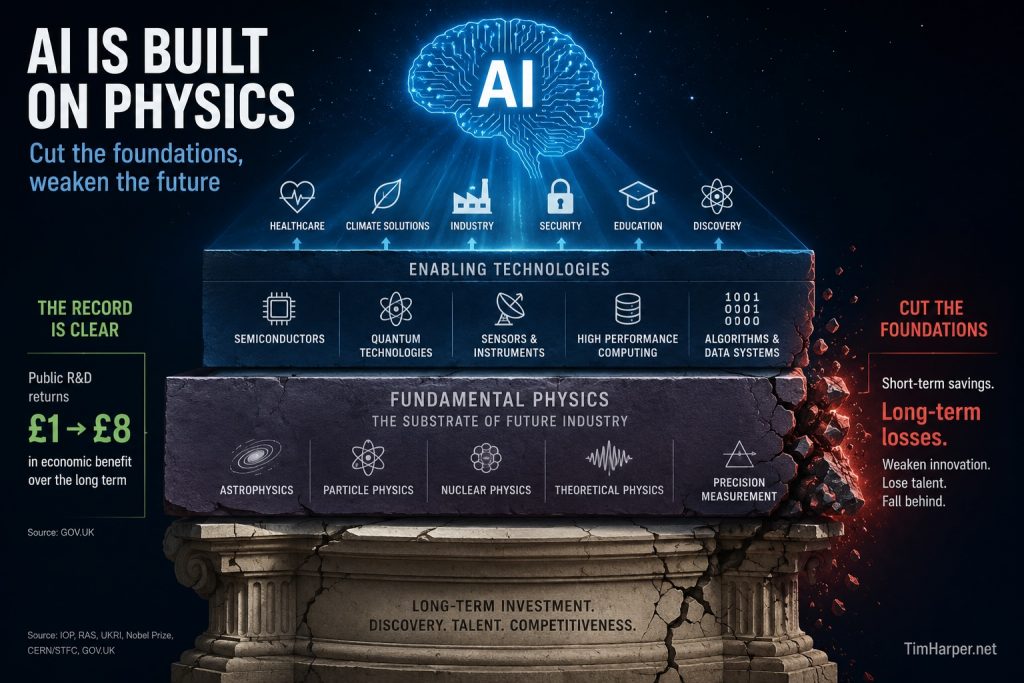
The UK is cutting fundamental physics while prioritising AI. That misunderstands where AI came from: physics, long-term research and the scientific foundations ministers now risk weakening.
UK Physics Cuts: Cutting Physics to Fund AI Is How You Lose Both Read Post »